★ 4.9 on Google
|
Now welcoming new patients
Waterfront Smiles · Frisco, Texas
Wisdom Teeth Removal in Frisco, TX
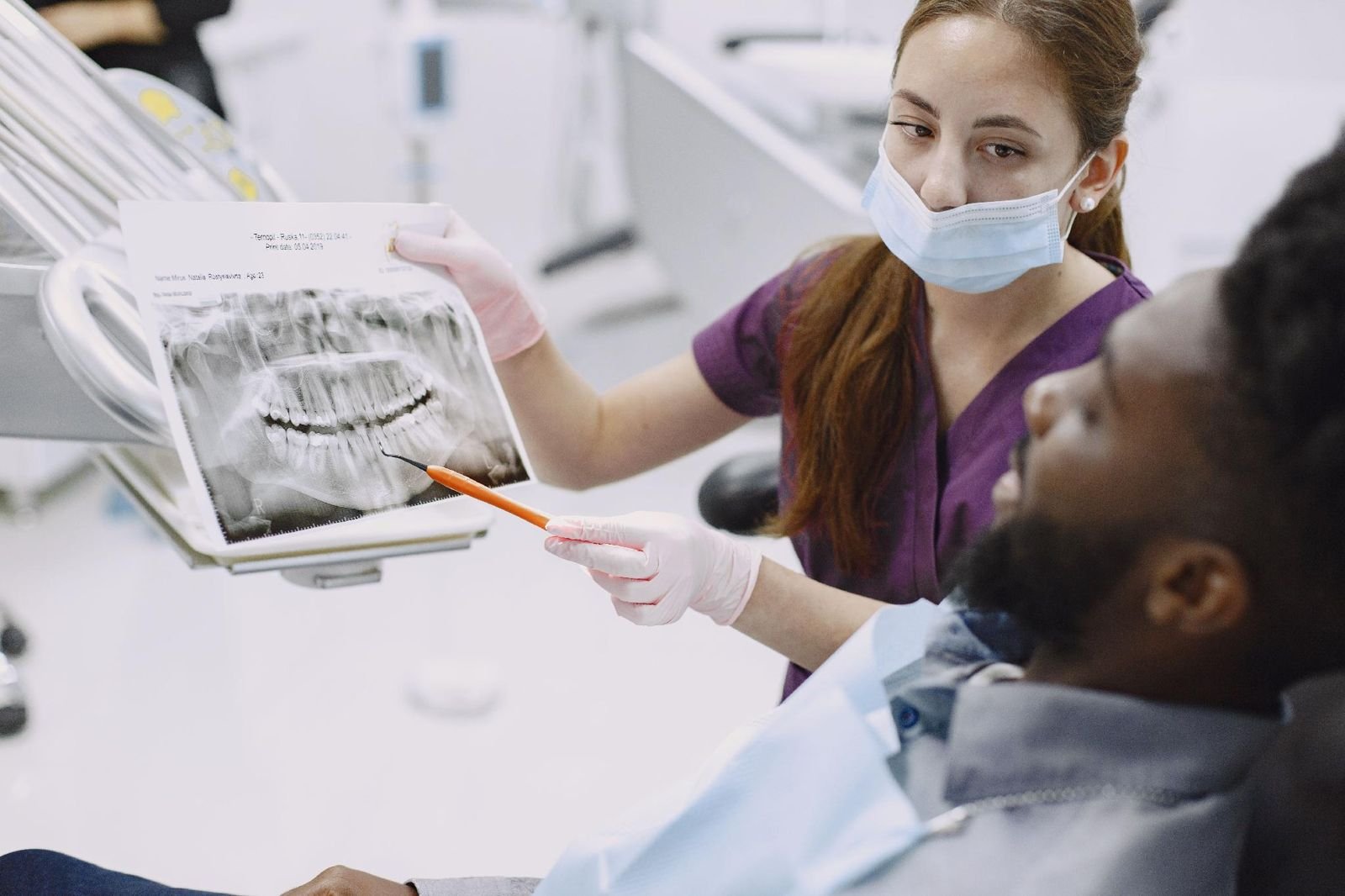
Is the gum behind your last molar swollen? Has an X-ray revealed a sideways wisdom tooth? The next step is determining whether it needs attention, not automatically scheduling surgery.
At Waterfront Family Dentistry, we evaluate concerns involving third molars, the last adult teeth to develop. If you are considering wisdom teeth removal in Frisco, TX, an examination can clarify whether monitoring, treatment, or specialist referral makes sense.
Concerned about a wisdom tooth? Contact Waterfront Family Dentistry or call 972-987-4343 to request a dental evaluation.
★★★★★ 4.9 on Google · Trusted by 5,000+ families
01 / Wisdom Teeth Removal
Do Wisdom Teeth Always Need to Be Removed?
No. Wisdom teeth usually emerge in the late teens or early twenties, but their position and development differ from person to person. Some come through fully, function normally, and remain healthy. Others are partly trapped by gum tissue or bone, or grow toward the neighboring molar.
An impacted tooth is not automatically unhealthy. The decision depends on disease, cleaning access, and future risk. The American Dental Association’s wisdom teeth guidance supports monitoring retained teeth.
If removal is unnecessary, routine examinations and imaging when appropriate help monitor the tooth. Keeping it requires follow-up.
02 / Wisdom Teeth Removal
Signs Your Wisdom Teeth May Be Causing Problems
Pain at the back of the mouth is a reason to seek care, but it is not the only sign. Watch for changes such as:
Tender or swollen gums
Tissue around a partially erupted tooth can become inflamed or infected, a condition called pericoronitis.
Food repeatedly getting trapped
A hard-to-reach space can contribute to decay or gum inflammation.
A bad taste or recurring swelling
These can suggest infection and should be assessed promptly.
Difficulty opening your mouth
Jaw stiffness, especially alongside swelling or fever, needs dental attention.
Problems with the adjacent molar
An angled wisdom tooth can make the second molar harder to clean or contribute to damage.
Impacted teeth may cause no noticeable symptoms. Cysts are possible but uncommon. Examination and appropriate X-rays help identify concerns. Not every ache behind the molars comes from a wisdom tooth: decay in the second molar, gum irritation, and jaw problems can feel similar. Tell us if your symptoms disappear and return or if you’ve taken antibiotics for recurring swelling.
Experiencing recurring swelling near a back tooth? Call 972-987-4343 to discuss an appointment. If swelling makes breathing or swallowing difficult, seek emergency medical care immediately.
03 / Wisdom Teeth Removal
How We Evaluate Your Wisdom Teeth
We ask about symptoms and medical history, including infections, allergies, surgeries, and medications. These details can affect treatment safety.
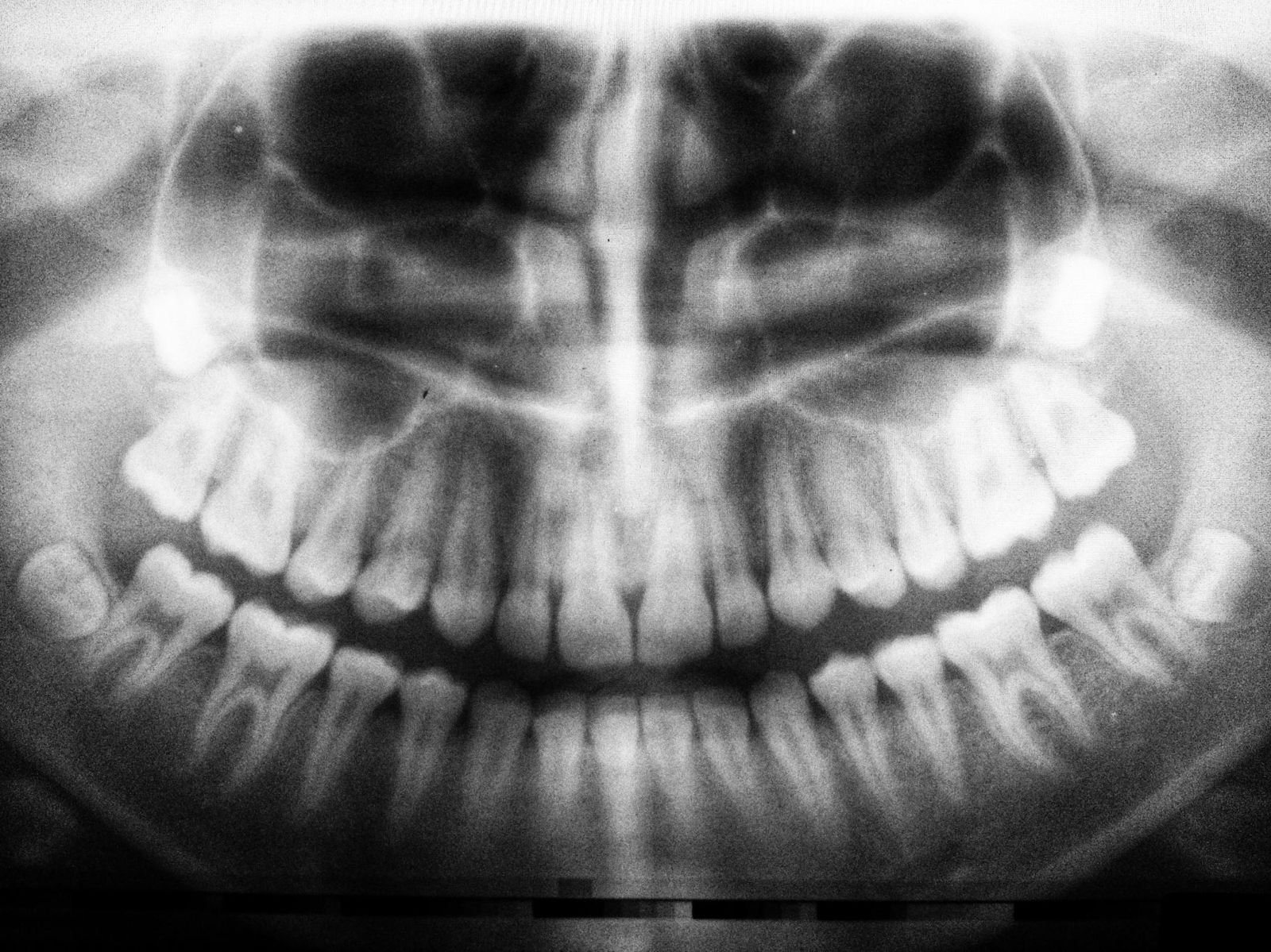
We examine the gums, adjacent molar, and available space. Imaging, when indicated, shows tooth position and the relationship of roots to nearby structures, including lower-jaw nerves.
We discuss whether there is disease, whether the tooth can be maintained, and whether removal or specialist evaluation makes sense.
You should understand the findings and recommended next steps.
04 / Wisdom Teeth Removal
What Happens If Removal Is Recommended?
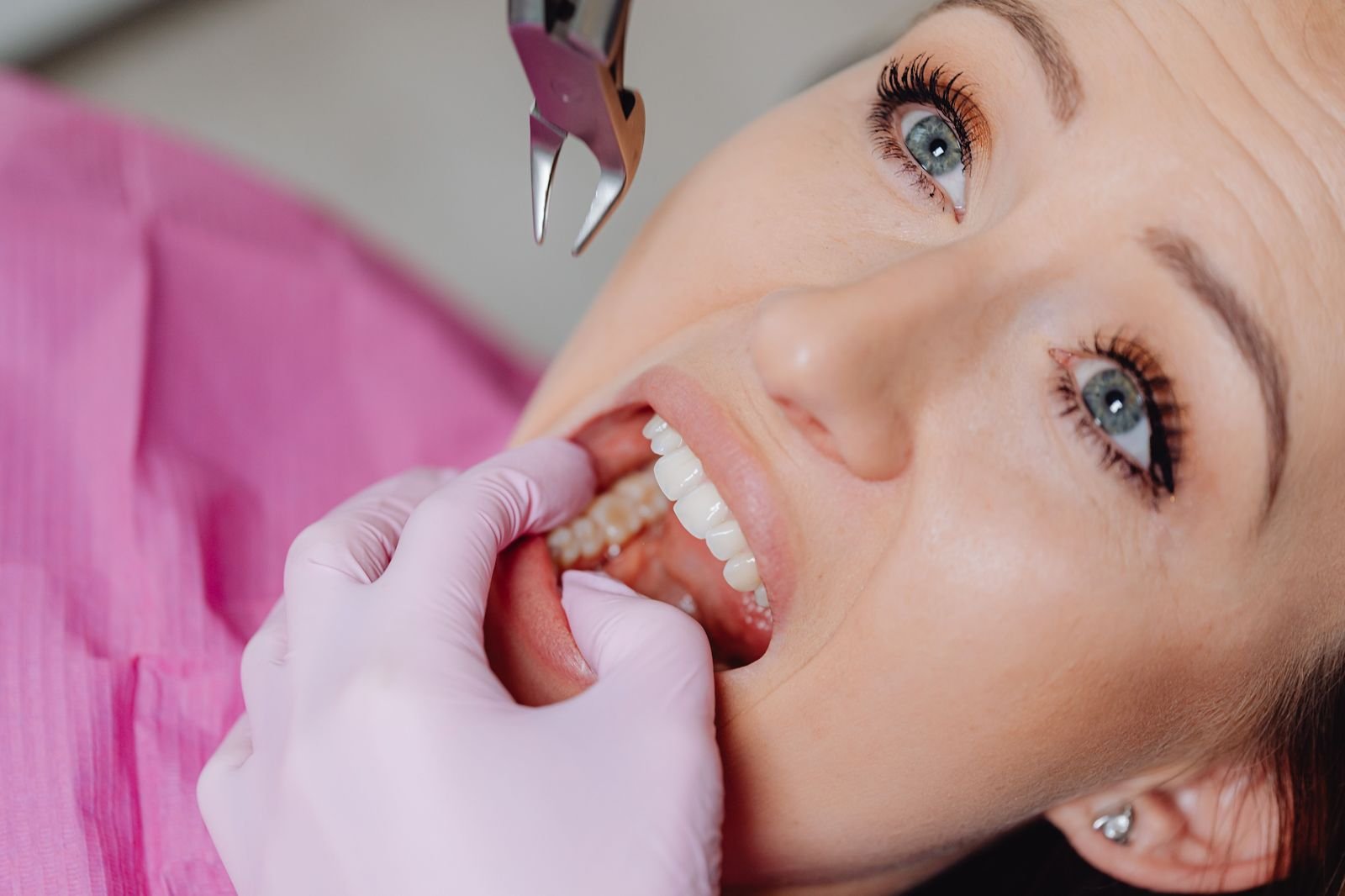
The procedure depends on how the tooth sits in the jaw. A fully erupted wisdom tooth may be accessible for a conventional extraction. An impacted tooth can require a surgical approach, sometimes involving an incision, sectioning the tooth, or stitches. The treating dentist or oral and maxillofacial surgeon explains the method after reviewing the examination and imaging.
Local anesthesia is commonly used to numb the area. Other anesthesia or sedation options depend on the procedure, your medical history, and the clinician’s capabilities. These options are not interchangeable, and they should be discussed before scheduling treatment.
Call us to confirm which wisdom tooth procedures are available in-house. When specialist care is appropriate, we can discuss referral options and what to expect next.
Have an X-ray or a recommendation from another dentist? Request an appointment to discuss your concerns and the next appropriate step.
05 / Wisdom Teeth Removal
When Is the Right Time to Make a Decision?
There is no universal age at which every wisdom tooth should be removed. The American Association of Oral and Maxillofacial Surgeons recommends assessing the position and health of third molars, including those without symptoms. Teenagers and young adults often have their third molars assessed as the roots develop, but adults of any age may need evaluation.
Monitoring may be reasonable for healthy teeth, but recurrent infection, unmanageable decay, or damage to a neighboring tooth may warrant removal. Surgery can become more complicated with age.
If you have school, work, or travel commitments, discuss recovery timing. Convenience alone should not determine whether a healthy tooth comes out.
06 / Wisdom Teeth Removal
Healing After Wisdom Tooth Removal
Recovery depends on the procedure and your health. Some patients resume activities quickly; others need several days. Swelling and jaw stiffness may persist longer after surgical removal.
Your treating clinician’s instructions take priority. Common aftercare advice includes:
- Protect the clot in the socket by avoiding forceful rinsing or spitting during the first 24 hours.
- Avoid smoking and follow the clinician’s guidance about straws, exercise, and alcohol.
- Choose soft foods and stay hydrated without disturbing the surgical area.
- Begin gentle saltwater rinses only when advised, commonly after the first day.
- Take prescribed or recommended pain medicine exactly as directed.
Increasing pain after initial improvement may indicate dry socket. Contact the treating professional if you have worsening swelling, fever, bleeding that will not stop, or a persistent bad taste. The ADA’s dry socket information explains why the protective clot matters.
If you receive sedation, follow the provider’s specific instructions about an escort, driving, and returning to normal activities.
07 / Wisdom Teeth Removal
Insurance, Costs, and Appointments in Frisco
Costs depend on tooth position, imaging, anesthesia, and whether a specialist performs surgery. A meaningful estimate follows examination.
Waterfront’s Insurance & Payment information explains its published PPO and payment options. Ask the office to verify your plan, applicable benefits, and whether specialist services would be billed separately.
Visit 255 W Lebanon Rd, Suite 300, Frisco, TX 75036. Hours: Monday through Thursday, 8 AM to 5 PM; Friday, 8 AM to 2 PM. Call 972-987-4343 or use our contact page.
Good Questions
Frequently Asked Questions
Straight answers about wisdom teeth removal at Waterfront Smiles. Still curious? Our team is happy to help.
Yes. A tooth can be partly or fully impacted without noticeable pain. That does not automatically mean removal is necessary, but it does make ongoing monitoring important.
Not necessarily. Each tooth is evaluated individually. One may need attention while another is healthy, functional, and easy to clean.
No. Front-tooth crowding has several causes, and the presence of wisdom teeth alone does not establish that removing them will prevent it.
Many people can return within a few days, but recovery varies. Physically demanding work or more complex surgery may require additional time. Follow your treating clinician’s advice.
An examination is needed first. The clinician will determine whether infection requires immediate treatment, whether removal is appropriate, or whether referral is needed. Do not rely on antibiotics alone without dental assessment.
Ready When You Are
Get Clarity About Your Wisdom Teeth
Whether your third molars are emerging or causing repeat problems, start with an evaluation rather than assuming extraction is inevitable.
To discuss wisdom teeth removal in Frisco, TX, call Waterfront Family Dentistry at 972-987-4343 or request your appointment online. We’ll help you understand your options and confirm whether specialist treatment is needed.
- 255 W Lebanon Rd, Suite 300, Frisco, TX 75036
- 972-987-4343
- Mon – Thu 8am – 5pm · Fri 8am – 2pm
SEND A MESSAGE
Tell us how we can help.
We reply within one business day.
WATERFRONT
FAMILY DENTISTRY
Modern family dentistry, quietly refined. Precision, comfort, and honest care, for every stage of life.
VISIT US
255 W Lebanon Rd Suite 300 FRISCO TX 75036
972-987-4343
Mon – Thu · 8am – 5pm
Fri · 8am – 2pm
Sat – Sun · Closed
© 2026 Waterfront Family Dentistry. All rights reserved.